Service

Self Storage Detaling

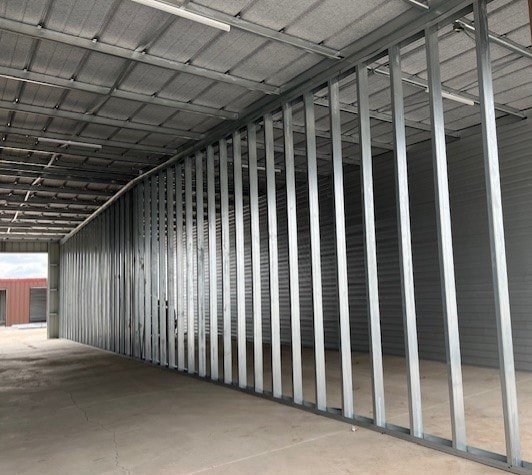
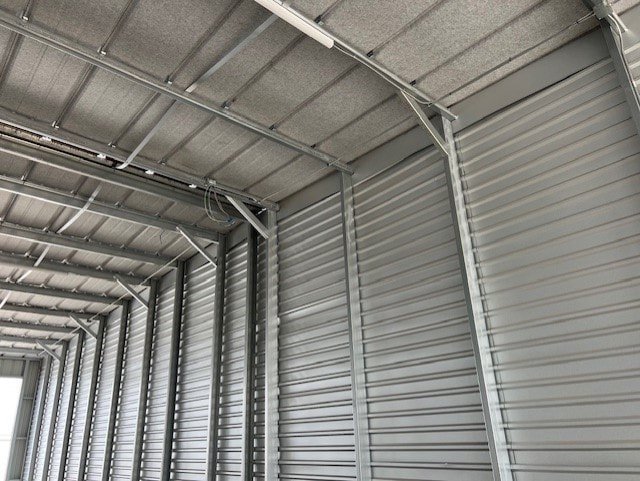
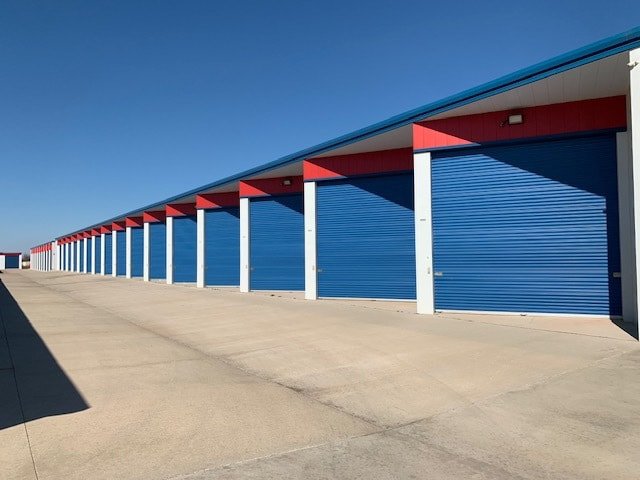
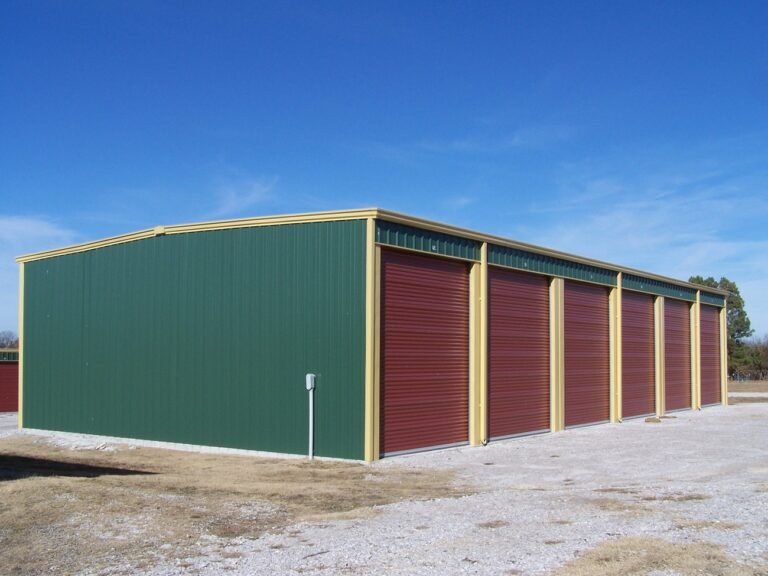
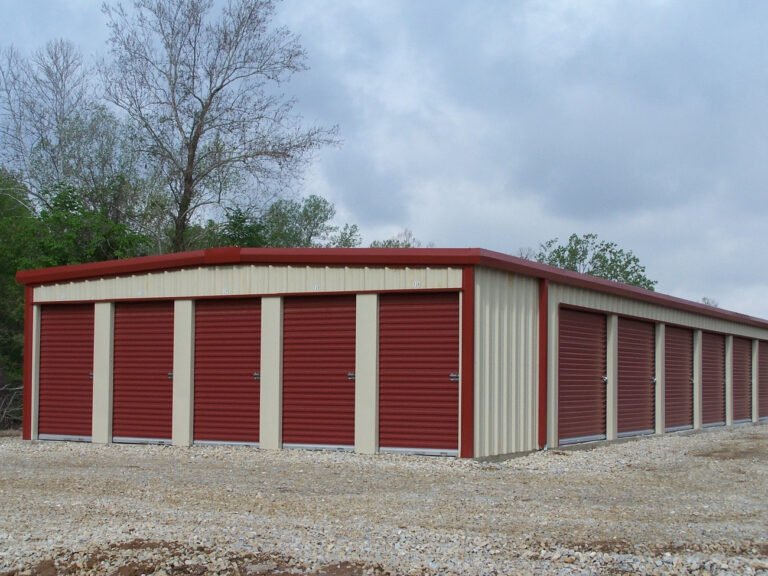
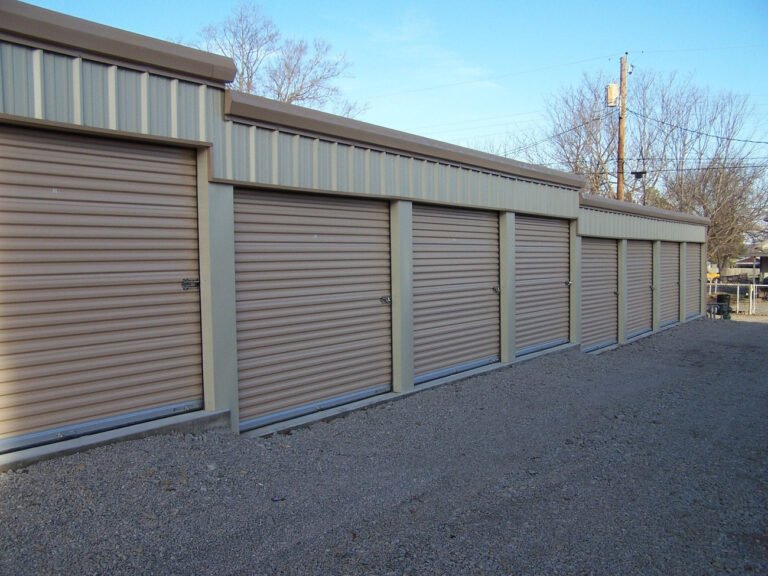
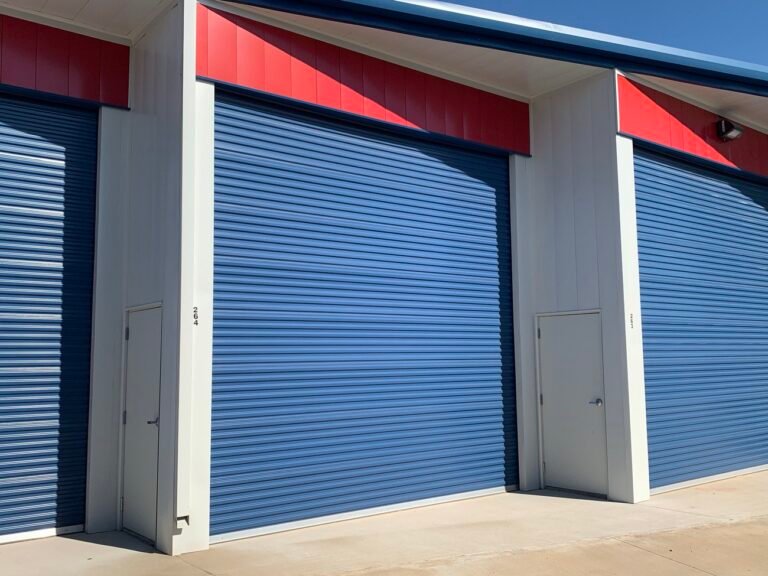
Self-storage buildings (also called mini-storage or storage facilities) typically consist of repetitive, single-story metal units divided into individual storage spaces. The detailing for these types of buildings focuses on efficiency, modularity, and cost-effectiveness.

Key Aspects of Detailing

Typical Deliverables

Software Commonly Used

Seamless & Efficient

Types of Self-Storage Facilities

01

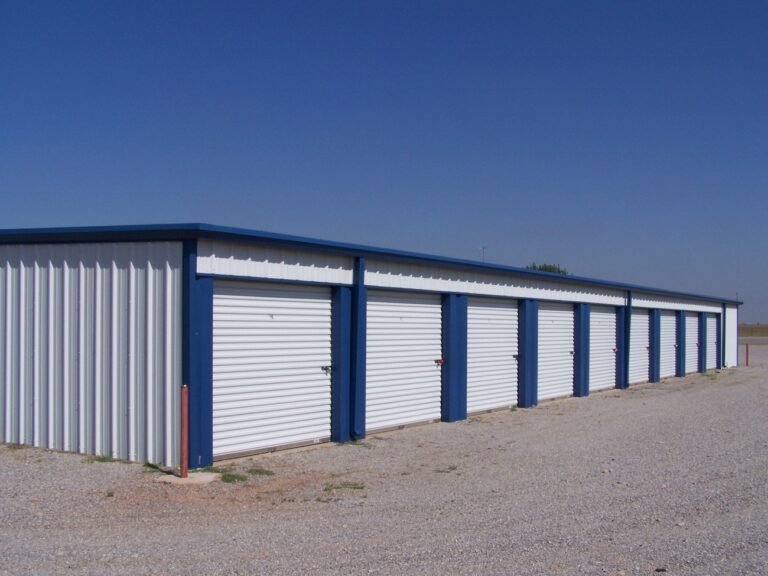
Non-Climate Controlled

🧊 Basic, Traditional Storage
  • No HVAC system — relies on ambient temperature.
  • Used for general storage (furniture, boxes, tools).
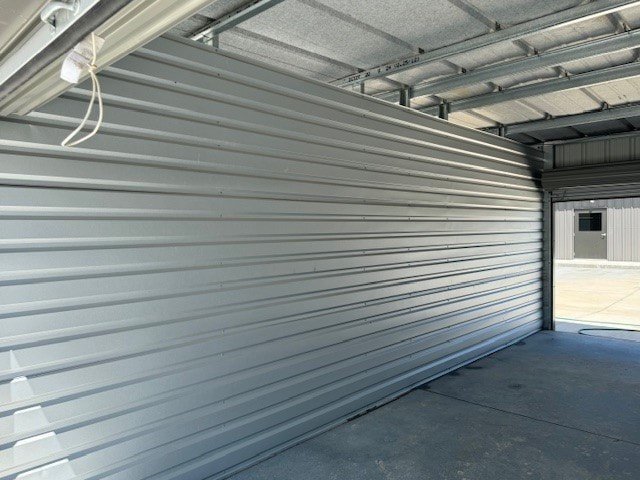
  • Typically metal buildings with roll-up doors directly accessible from the outside.
  • Ventilation (ridge vents or wall louvers) may be provided, but no heating or cooling.

Detailing Considerations:

  • Less complex – no insulation, ductwork, or mechanical chase.
  • Focus on layout efficiency and door access.
  • Minimal interior partitioning.

02

Climate Controlled

🌡️ Temperature and Humidity Managed
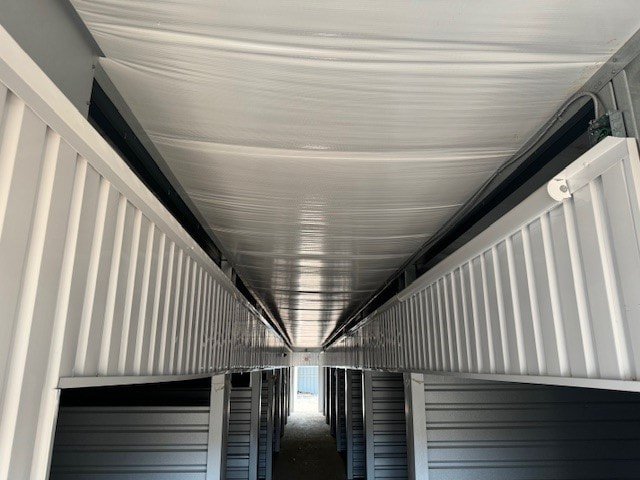
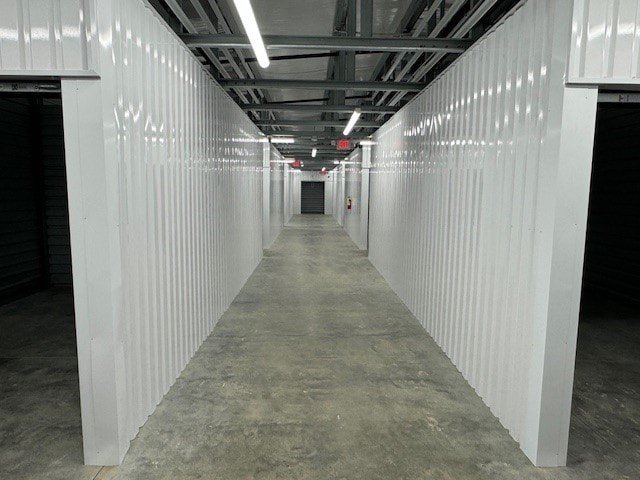
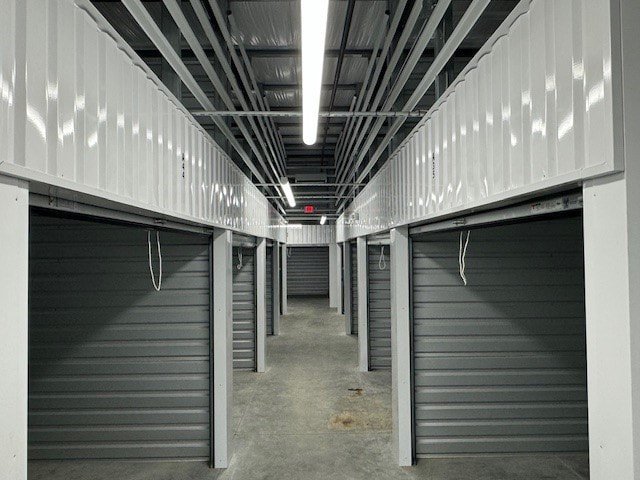
  • Interior-access only, like hallways or corridors.
  • Includes HVAC systems to maintain controlled temperature/humidity.
  • Common for storing electronics, documents, or sensitive items.

Detailing Considerations:

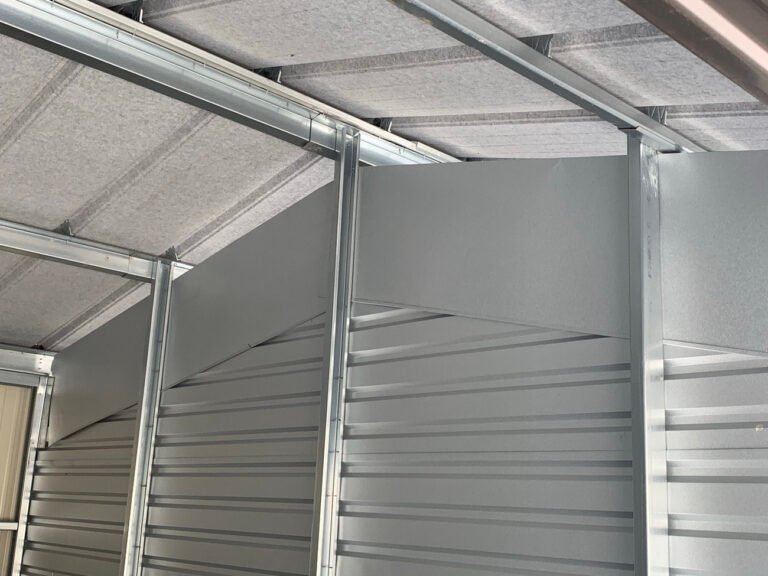
  • Requires insulated wall/roof panels.
  • Mechanical coordination: HVAC layout, duct supports.
  • Typically enclosed buildings with hallways and interior doors.
  • May need vapor barriers, thicker insulation, and slab vapor seal.

03

Boat & RV Storage

🚐 For Larger Vehicles and Seasonal Storage
  • Units are much larger and taller (often 12’–14′ wide and up to 40’–50’+ deep).
  • May be enclosed, canopy-style, or open with roofs only.
  • Often includes swing doors or oversized roll-up doors.

Detailing Considerations:

  • Heavier framing to handle larger door openings.
  • Clear span framing (no internal columns).
  • Higher wind loads, especially in hurricane-prone zones.
  • Parking layout and turning radius must be considered.

04

Slant Angle (Sloped Roof) Buildings

📐 Aesthetic and Drainage Benefits
  • Roof slope runs from front to back or side to side (e.g., 1:12 or 2:12 pitch).
  • Common in single-slope designs, often for drainage or to follow site grade.

Detailing Considerations:

  • Precise panel cutting and layout due to angle.
  • Roof framing must match pitch.
  • Doors on low side require height coordination.

05

Multi-Level

🏢 Vertical Storage – Urban or High-Density
  • 2+ stories, typically in areas with limited land availability.
  • Includes elevators, stairs, mezzanines, and fire-rated construction.

Detailing Considerations:

  • Coordination of structural steel, concrete floor systems, stair shafts, and elevator pits.
  • More complex framing (joists, beams, columns).
  • Must meet IBC fire separation, ADA access, and local code.
  • Framing must support concrete slab loads, sometimes using metal decking and pour stops.

06

Hallway Conversions

🛠️ Renovating Existing Structures
  • Converts old warehouses, retail buildings, or shell buildings into self-storage.
  • Adds corridors and internal partitions.

Detailing Considerations:

  • Retrofit metal framing inside existing envelope.
  • Unique layout challenges based on existing structure.
  • Door framing and hallway wall attachment to slab/roof.
  • Requires field verification of existing conditions.

Designed to Store.
Engineered to Scale.

Get layouts that evolve with your operations — not against them.

Get In Touch

Fill out the form below, and we will be in touch shortly.